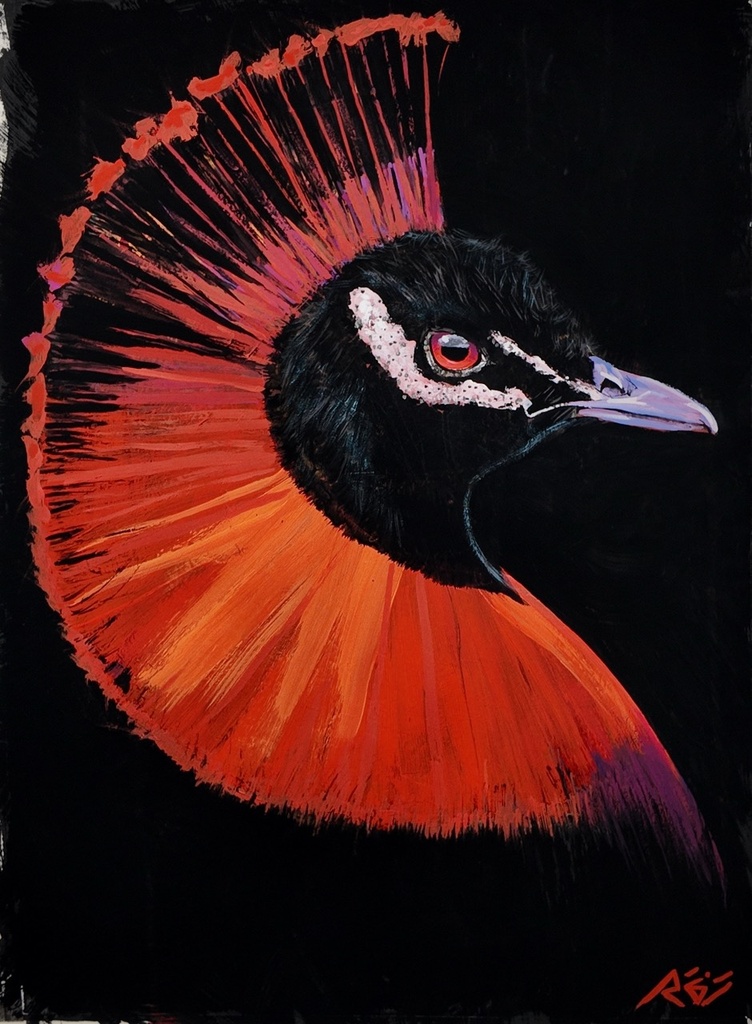
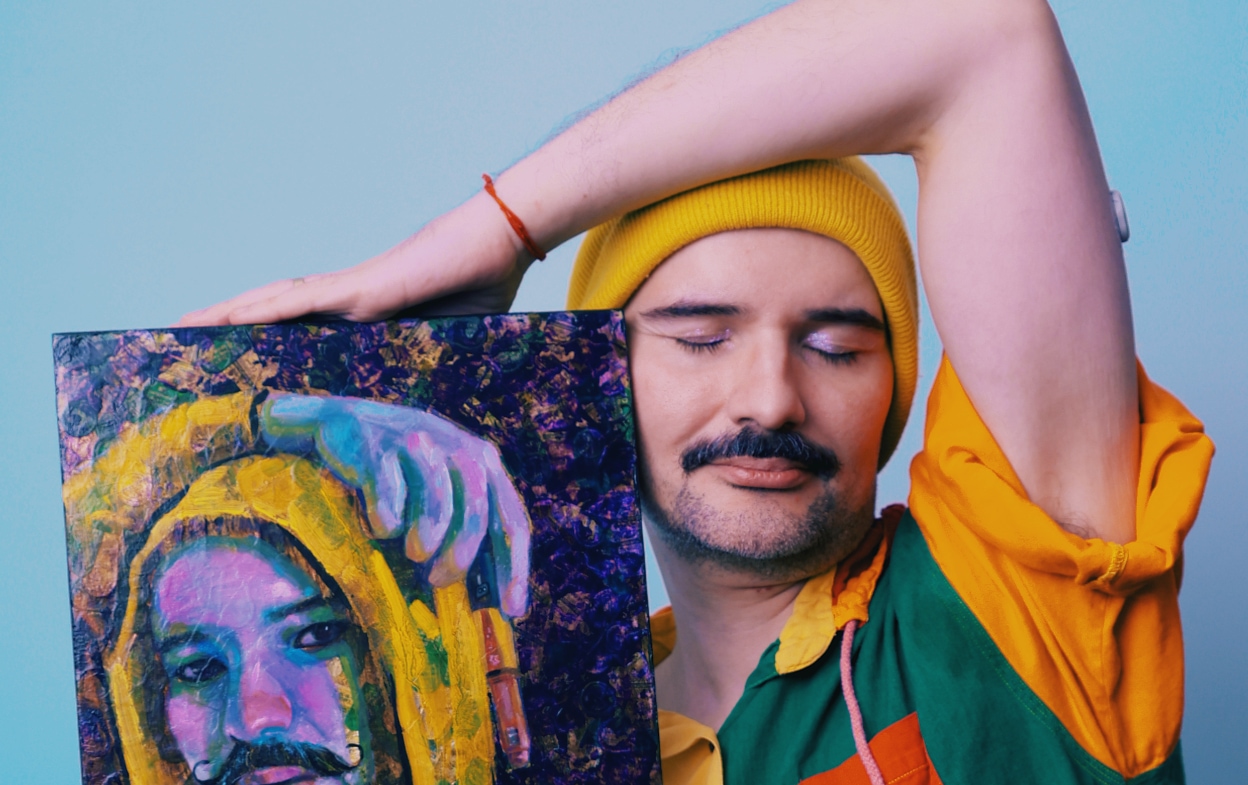
A ridge of gesso catches light before a figure enters the painting. It sets the pressure of the surface. It decides where a glaze will hold, where a black contour line will interrupt, where transparent alizarin crimson and raw umber can appear to burn from within. Gallery representation enters later than this. It can bring a painting into another room, another conversation, another collection. It cannot make the painting’s first decisions.
For artists, gallery representation is often spoken about as arrival. For collectors and curators, it can be treated as a shortcut to legitimacy. Both ideas are too small. A gallery relationship is neither a prize nor a rescue. At its best, it is a working structure built around attention, trust, and a shared understanding of where the work needs to go.
Gallery Representation Is Not Artistic Permission
A gallery can sharpen the conditions around a practice. It can introduce work to committed collectors, place it in an exhibition with meaningful context, produce documentation, and sustain relationships that develop over years rather than a single opening night. Those things matter. They are labor, and good galleries do that labor with discernment.
But representation does not grant an artist the right to be exact. The work must already hold its own gravity.
I do not begin with the market’s imagined figure. I begin with matter. A textured gesso ground carries its own history before color arrives. Gouache, acrylic, colored pencil, marker, and more gesso follow in the order the feeling demands. Oil becomes the final skin. The figure is built from photographic montages of my own multiplied form, then held and unsettled by black contour lines.
This sequence cannot be outsourced to a gallery. Neither can the insistence behind it. Texture is never background - it is biography.
The most durable gallery relationships recognize that an artist’s process is not an obstacle to efficient inventory. It is the source of the work’s value. A painting from an ongoing series needs room to remain part of its larger arc, not be reduced to an isolated image that performs quickly on a wall.
What Good Gallery Representation Actually Changes
The strongest gallery partnerships change the scale of circulation, not the core of the work. They create a serious encounter between an artist’s language and the people prepared to live with it, study it, or place it in public view.
That can mean an exhibition whose installation allows paintings to speak across distance. It can mean a conversation with a collector who understands that impasto is not ornament, but what occupies physical space in a life. It can mean a curator placing queer figuration beside another practice without making either artist stand in for an entire category.
A gallery also brings productive friction. Artists make work from inside the studio, close to the material and its demands. Gallerists see patterns across collectors, institutions, exhibitions, and time. When that perspective is offered with intelligence rather than pressure, it can clarify how a body of work is being read.
There is a difference between feedback and correction. Feedback opens a question. Correction often closes one before the painting has had time to become itself.
For a figurative artist, this distinction is especially urgent. The figure is frequently asked to explain too much. Queer life, diasporic memory, desire, performance, and self-authorship are not themes to be made palatable through an artist statement. They are forces that shape line, color, scale, repetition, and surface. A gallery that understands this will not ask the work to become simpler in order to become sellable.
The Trade-Offs of Gallery Representation
Representation is not the only serious route to a collector. Nor is direct studio work a lesser version of the art market. Each model asks for different forms of attention.
A gallery can provide reach, institutional knowledge, and a context an individual artist may take years to build alone. In return, the artist gives up a portion of the sale and, sometimes, a degree of control over timing, presentation, and communication. Those are not inherently bad trade-offs. They need to be visible before they become difficult.
Direct acquisition creates another kind of exchange. A collector can learn how a specific painting was built, why a chromatic gray sits beneath a field of buff titanium, or why a scratched passage of sgraffito cuts across a face. The artist can remain close to the work’s placement and develop a collector relationship without an intermediary. That intimacy requires its own discipline: clear records, careful communication, thoughtful shipping, and respect for the collector’s time.
For many practices, the most honest answer is both. Gallery exhibitions and direct studio availability can coexist when the terms are clear. Confusion begins when a painting appears to have one path to acquisition but quietly has another, or when the artist’s own collector relationships are treated as a problem rather than part of the practice’s foundation.
Transparency protects everyone involved. It also preserves the work from the small resentments that accumulate when expectations are left unspoken.
The Questions Worth Asking Before Signing
An artist considering gallery representation should listen less for praise and more for specificity. Which works has the gallery spent time with? How does it imagine presenting them? Who will be responsible for communication, documentation, payment, transport, and follow-through after a sale?
The contract matters because the relationship matters. Terms around commission, exclusivity, territory, consignments, insurance, pricing, and the return of unsold work are not administrative details. They are the architecture around years of labor. A vague agreement can turn a promising conversation into a stalled practice.
Collectors can ask equally useful questions. Does the gallery know the artist’s work beyond its most immediately recognizable images? Does it present the work with enough context to honor its material decisions? Is it building a long view, or merely responding to a moment of demand?
The right gallery does not need to make grand promises. It needs to demonstrate care, consistency, and an ability to stand behind the work after the opening has passed.
A Gallery Cannot Replace a Living Practice
There is a particular danger in treating representation as the point at which experimentation must stop. Once an artist becomes visible, there can be pressure to repeat the most legible gesture. The market likes recognition. A practice needs change.
I return to certain materials because they continue to resist me. Raw umber can anchor a surface without making it dead. Ivory black can desaturate a color until it holds tension rather than certainty. Glazes can gather as chronic, slow time. A line made with marker may be graphic, but it can still carry hesitation. The same vocabulary can produce a different painting because the surface remembers every decision.
That is what a serious gallery should defend: not repetition for its own sake, but continuity with risk inside it. A new work is a chapter, not a restart. It may carry a familiar contour while breaking its own rhythm.
For curators and collectors, this is where patience becomes a form of discernment. The most compelling practices are not always those that resolve instantly. They remain active after the first encounter. They ask something of the room around them.
Gallery representation can expand that room. It can bring work into public view and private collections with rigor. It can create the conditions for an artist’s language to travel farther without losing its edge. But the first responsibility remains in the studio, at the surface, where the painting refuses easy permission.
The work must be able to stand there first. When it does, the right partnership becomes not a destination, but another place from which the work can continue moving. Original paintings and prints are available directly from the studio. Inquiries are open, and the collector list offers first access to new chapters.