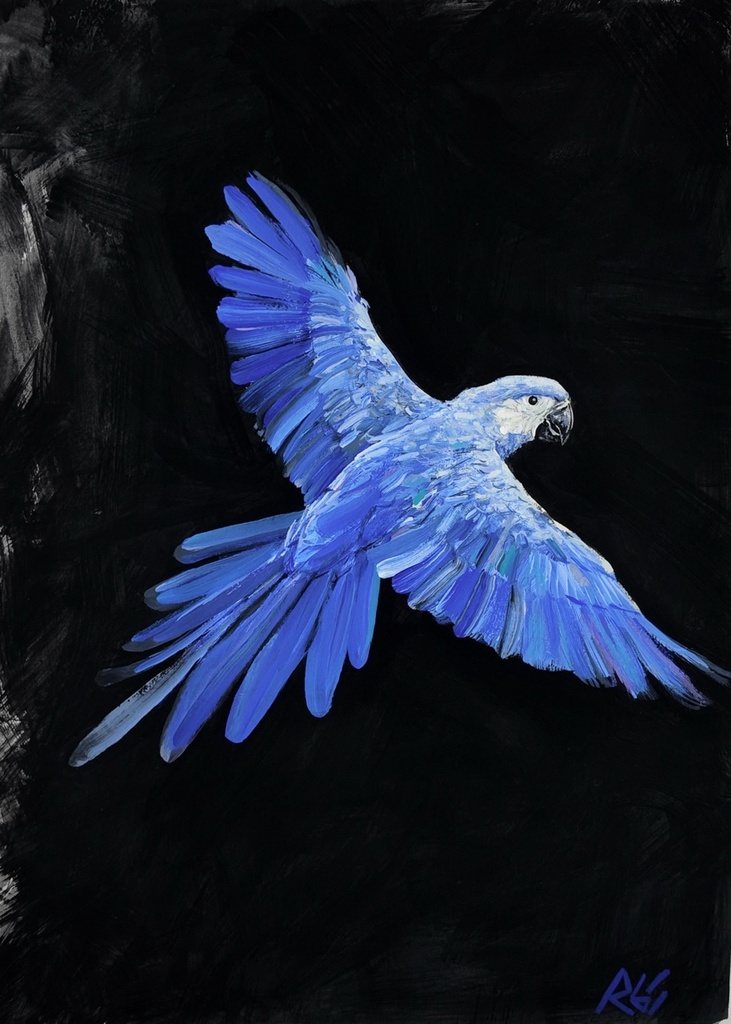
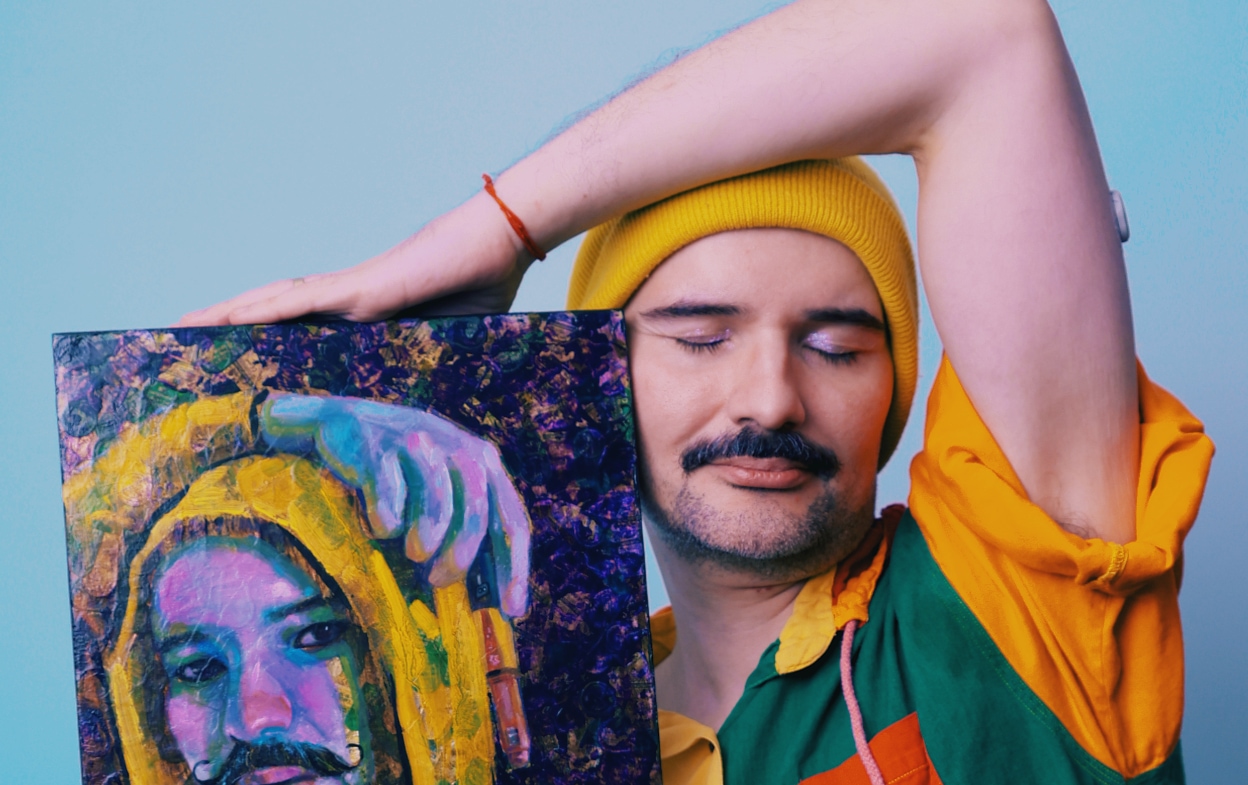
A painting begins with resistance: gesso pulled into ridges, dragged across the surface, left to catch light unevenly. If you are considering how to commission figurative paintings, begin there - not with a color request or a room mockup, but with the material intelligence of the artist you want to collect. Texture is never background. It is biography.
A strong commission is not a purchase order for a familiar image. It is a conversation with a living practice. The collector brings a place, a scale, a set of conditions, perhaps a private history. The artist brings the visual language, authorship, and formal decisions that make the work worth commissioning in the first place.
Start with the artist’s existing language
Look closely at the work already made. Not only the figures, but the ground beneath them. Notice whether the paint sits flat or rises in impasto, whether a contour contains the figure or breaks open, whether the palette makes room for chromatic gray, raw umber, yellow ochre, or a red that seems lit from within.
Commission the artist whose current work already moves you. Do not ask one painter to become another. A commission succeeds when it extends an existing chapter rather than interrupting it.
In my paintings, the figure arrives after the surface has already declared itself. A heavily textured gesso ground establishes where light will hold and where it will fracture. Colored pencil may follow as fine line, then gouache, acrylic in flat matte passages, markers for a graphic insistence, and gesso again as construction. Oil is the final surface. The sequence changes according to feeling, but the material logic remains.
That is why a reference image alone cannot describe the finished work. A figure can be suggested. A painting must be built.
Define what the painting needs to do
Before discussing dimensions, describe the role of the work in your life or collection. Is it intended to anchor a room? To continue a group of works concerned with queer self-authorship, diaspora, desire, or resilience? Is the commission for a private residence, a hospitality setting, or an institutional collection?
The answer affects scale, visual density, and the degree of intimacy appropriate to the work. A painting viewed across a room needs a different structure than one encountered at close range. A work entering a collection with bold contemporary figuration may need tension rather than harmony.
Be specific about practical conditions. Share the wall dimensions, ceiling height, available light, and whether the work will sit beside other art. A photograph of the installation site is useful. So are measurements of surrounding furniture or architectural elements. These details are not limits. They are information the painting can push against.
Color deserves a more careful conversation. Rather than asking for a painting that matches a sofa, describe the temperature and force you are drawn to: heat, shadow, saturated interruption, a restrained field with one vivid rupture. Interior palettes change. A painting with conviction should outlast them.
How to commission figurative paintings without over-directing
The central trade-off is simple. The more exact your desired outcome, the less room there is for the artist to make a work with surprise, risk, and presence. A commission should have parameters, but it cannot be reduced to instructions.
Bring references for atmosphere, composition, setting, gesture, or color. Say what each reference communicates. One image may hold the right darkness. Another may suggest a posture or spatial rhythm. A third may evoke the layered colors of a specific place. For me, Brazilian memory can enter through color and compression rather than illustration - not an ornament, but a pressure within the image.
Then leave space for translation. In my figurative work, forms often begin as photographic montages of my own figure, multiplied and reassembled. Black contour lines carry narrative. The commissioned work will not be a painted copy of a supplied photograph. It will move through the same visual grammar as the rest of the practice.
This distinction protects both collector and artist. You receive an original work, not a decorative replica. The artist retains the conditions necessary to make something singular.
Decide what is fixed and what remains open
A clear commission brief usually settles the format, approximate dimensions, budget range, timeline, installation context, and broad visual direction. It should also state what remains open: the final composition, exact palette, number of figures, and the material route the painting takes.
Ask how progress will be shared. Some artists offer a sketch, a color study, or a single studio-stage update. Others work without interim approvals because the painting needs to develop as one continuous decision. Neither approach is automatically better. What matters is agreeing on it before work begins.
Revisions require the same clarity. Changes to the agreed scope may be possible early in the process, but they are different from asking an artist to reverse a nearly resolved painting. The gesso ground, the buried drawing, the scraped passages, the glaze: these are not detachable layers. They are the work’s memory.
Ask about process, timeline, and finish
A useful commission conversation includes a realistic schedule. Paint needs intervals. Layers need to settle. A work finished in oil has its own pace, especially when glazing, impasto, and sgraffito are part of the language.
In my practice, impasto names what occupies physical space in a life. Accumulated glazes hold chronic, slow time. Sgraffito is one sensation cutting through another. These are formal choices, not effects added at the end. They cannot be rushed without losing the pressure that made the commission meaningful.
Ask when the artist considers the work complete, how it will be documented, and how framing or hanging will be handled. Confirm delivery arrangements, shipping destination, and any site-specific access requirements well before the painting leaves the studio. Collectors in Toronto and across the United States often need different delivery timing, particularly for larger work.
You should also discuss payment terms in plain language. A deposit commonly reserves the commission and supports materials and studio time. A final balance is typically due before release or delivery. The exact arrangement varies, but clarity allows the exchange to remain focused on the work.
Collect the work, not only the image
Figurative painting carries a particular charge because it changes as you return to it. A black line that first reads as boundary may later read as insistence. A muted passage may reveal itself as layered color rather than gray. Transparent alizarin crimson mixed with raw umber can create a red of pain that glows from inside the layers. It is not cadmium red. It is a different kind of heat.
Give the painting room to remain unfamiliar. The strongest commissions do not merely confirm the collector’s first idea. They make that idea more complex, more physical, more alive.
A certificate, invoice, and documented provenance belong with the work from the beginning. Keep them together. If the painting is eventually exhibited, lent, or passed on, its material and collecting history matters. Direct acquisition also creates a record of the exchange between artist, work, and first collector.
A commission is a shared act of precision
The best inquiry is concise and concrete. Introduce yourself, name the kind of work you are seeking, share the proposed dimensions and location, and explain what draws you to the artist’s practice. Ask whether commissions are open and what process the artist prefers.
Do not try to predict every mark before it is made. Choose the artist because their marks already carry a world you recognize. Then allow the painting to become more than the image you arrived with.
When a new commission aligns with my practice, inquiries are open. The work begins in matter, gathers a figure, and carries its own record of pressure, color, and becoming.