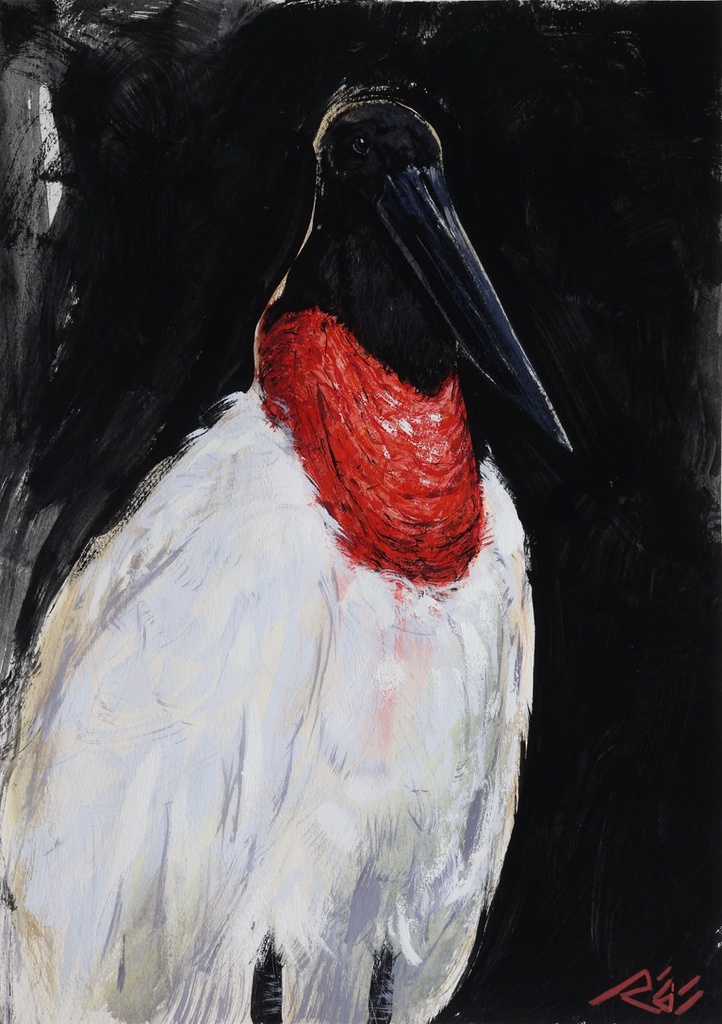
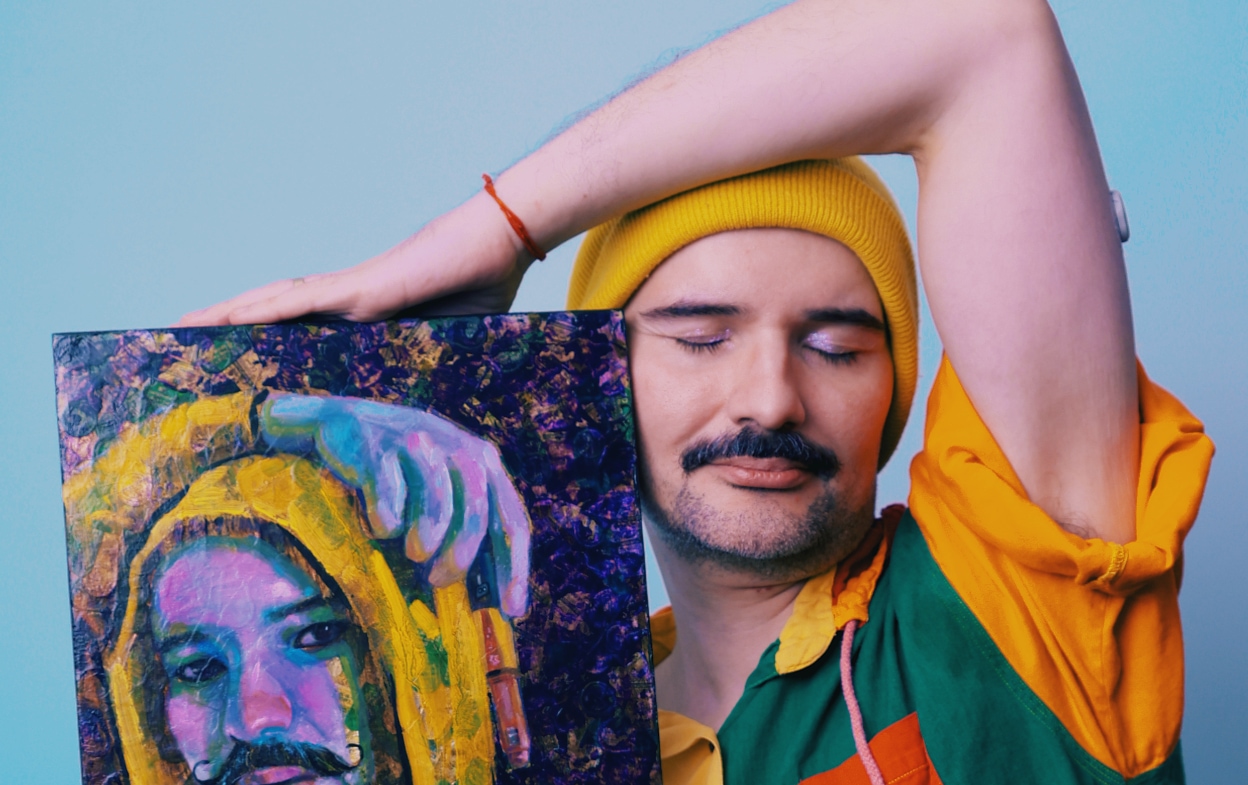
A painting begins with a gesso ground: ridges, drags, a surface already deciding how light will move. Before a collector encounters the finished oil skin, there is matter, labor, and a record of decisions. The same principle applies to acquisition. Are direct artist purchases secure? They can be, when the transaction has a clear surface and nothing essential is hidden beneath it.
Buying directly is not an informal version of collecting. It is often the most direct form of provenance: the work moves from the studio where it was made to the person who chooses to live with it. Security comes from process, documentation, and mutual clarity - not from the distance of an intermediary.
Are Direct Artist Purchases Secure?
Yes, provided the artist or studio operates with recognizable professional standards and the collector takes time to confirm what is being offered. A direct purchase should leave a trail as deliberate as the painting itself: a clear invoice, a documented payment method, artwork details, shipping terms, and written communication that identifies the studio.
The strongest protection is specificity. A legitimate studio can describe the work beyond an image on a screen. There should be a title, medium, dimensions, year, and a direct account of condition and availability. For an original painting, ask how it is signed, whether a certificate of authenticity accompanies it, and how the work will be packed and shipped. These are not difficult questions. They are collector questions.
A direct relationship also gives you access to knowledge that can disappear when a work changes hands repeatedly. You can ask why a surface holds impasto in one area and thins into a glaze in another. You can understand that black contour is not decoration but narrative, or that a red might be transparent alizarin crimson mixed with raw umber, made to glow from inside the layers. The artwork arrives with its material history intact.
What a Secure Studio Transaction Looks Like
Security should feel calm, not theatrical. There is no need for pressure, cryptic payment instructions, or a disappearing message. A professional transaction is conducted through consistent studio contact information and written correspondence that can be retained by both parties.
The invoice should identify the buyer and seller, the work being purchased, the agreed price and currency, any applicable taxes, and the delivery arrangement. If shipping is separate, that should be stated plainly. If a work is being held for a period before shipment, the terms should be stated plainly as well.
Payment deserves the same care. Use a recognized payment method with a record of the transaction. Confirm payment instructions through the studio's established communication channel before sending funds, especially if instructions appear to change suddenly. A collector should be able to match the recipient name, invoice, and studio identity without guesswork.
For significant acquisitions, it is reasonable to ask what documentation will travel with the work. This may include an invoice, certificate of authenticity, studio record, exhibition history where relevant, and care guidance. Not every work has an exhibition history. Every work should have an identity.
Verify the work, not only the payment
Payment security is only one part of the exchange. You are also confirming that the artwork represented online is the artwork being acquired. Request current images when needed, including details of the surface, signature, edges, and reverse. Video can be useful for understanding scale and how light catches texture.
This matters especially with heavily worked painting. A flat image can compress the distinction between gouache and acrylic, between a matte passage and a final oil layer. It can conceal the physical presence of sgraffito, where one sensation cuts through another. Additional documentation is not distrust. It is a serious way of looking.
Collectors purchasing prints should receive equally clear information: edition size, print process, paper or substrate, dimensions, signature details, and whether the print is numbered. A print is not lesser because it is an edition. It is a different object, with its own conditions of authorship and care.
The Questions Worth Asking Before You Buy
A thoughtful artist will not be surprised by questions. Direct collecting is a conversation between two people invested in the future of an object. Ask whether the piece is available, how it is finished, what accompanies it, when it can ship, and who is responsible for each stage of delivery.
For international purchases, clarify the declared value, shipping carrier, tracking, insurance, duties, and import charges before payment. A studio based in Toronto may ship worldwide, but a border introduces practical variables. Clear terms prevent a beautiful acquisition from becoming a confused arrival.
Also ask about framing when it applies. Is the work sold framed or unframed? Are the dimensions listed for the image, the support, or the complete framed object? Does the studio recommend a particular approach? These details affect transport, placement, and the way the painting meets your space.
A direct purchase does not require a collector to become suspicious of every exchange. It asks for discernment. If a seller cannot provide basic work details, avoids written terms, insists on an unusual form of payment, or creates pressure to act before your questions are answered, pause. Rarity is not an excuse for opacity.
Documentation Is Part of the Artwork's Future
Provenance begins at the first sale. Keep the invoice, certificate, payment confirmation, shipping record, and any correspondence about the work together. Photograph the painting when it arrives, including packaging if there is visible damage. This is useful for your own records and honors the object as a work with a continuing life.
For collectors, this archive supports future valuation, loans, resale, estate planning, and exhibition requests. More quietly, it preserves context. A painting does not become less specific once it enters a home. Its title, material decisions, and place within a larger body of work remain part of what you own.
At Régis Souto Arts, each work belongs to an ongoing arc rather than an isolated image. The textured ground comes before the figure. Colored pencil, gouache, acrylic, marker, and gesso return in the order feeling requires. Oil is the final skin. To acquire directly is to receive that continuity with the work, not after it has been translated into someone else's language.
Direct Does Not Mean Unprotected
Some collectors assume that a gallery automatically makes a purchase safer. Galleries can provide meaningful expertise, established logistics, and long-term support. They are valuable partners in the ecology of contemporary art. But security is not guaranteed by a gallery name alone, just as risk is not guaranteed by a direct studio relationship.
The trade-off is different. A gallery may offer an additional layer of administration. Direct acquisition offers proximity: the chance to ask the artist about the work, to receive accurate studio documentation, and to understand the piece before it enters the market's wider circulation. For emerging collectors, that proximity can make the process more legible. For experienced collectors, it can deepen a collection's record.
The best choice depends on the work, the artist, the scale of the acquisition, and your own preferences. What should not change is the standard: clarity before payment, documentation after payment, and respectful communication throughout.
A secure purchase is not only a protected transaction. It is the beginning of custodianship. Look closely at the surface. Ask what holds the painting together. When the studio can answer with precision, the work is ready to continue its life with you. Inquiries are open.